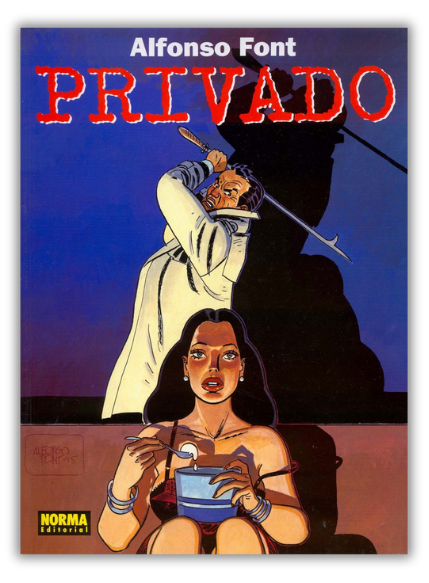
Barcelona, Spain, 1945.
He is one of those authors who have spent decades creating comics with such consistency that they have quietly become a benchmark in the field. Self-taught, he began in the 1960s and soon broke into the international market through agencies such as Bardon Art and Selecciones Ilustradas, working for publishers like Warren and Skywald.
In the 1970s, he became part of the European comics circuit and collaborated with writers such as Patrick Cothias, Jean-Michel Charlier, and Víctor Mora. However, it was from 1980 onward, when he began working as a complete author, that he built the most recognizable part of his body of work.
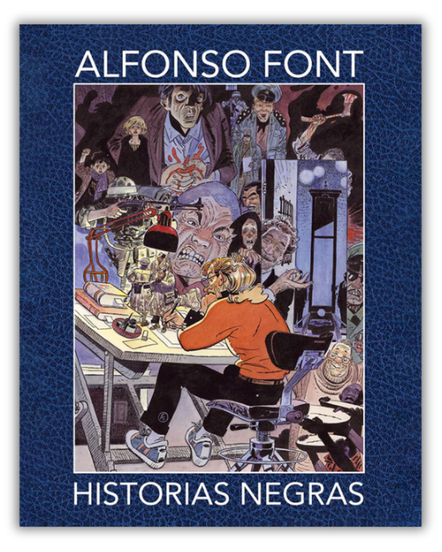
From this period came key titles such as Cuentos de un futuro imperfecto (Tales of an Imperfect Future), one of the major landmarks of science fiction in Spanish comics, and El prisionero de las estrellas (The Prisoner of the Stars), where he combines adventure and reflection with a particularly fluid narrative. These are joined by highly popular works such as Carmen Bond, Taxi, and Historias negras, which consolidated his reputation and demonstrated his ability to move effortlessly across very different genres.
Other notable works in his career include Géminis (1974), from his early period, as well as his later contributions to series such as Tex for the Italian market, highlighting his sustained presence in the international comics industry.
In his more recent phase, he developed Aloma, a series that recaptures the spirit of classic adventure with the ease of someone who has spent a lifetime telling stories. In Aloma 1: El tesoro del Temerario and Aloma 2, he once again proves his ability to hook the reader from the very first page.
A significant part of this work has been brought back into print by Cartem Cómics, highlighting key titles such as Aloma 1, Aloma 2, El prisionero de las estrellas, and Cuentos de un futuro imperfecto, making them accessible to new readers.
His style is built on something that may seem simple but is anything but: telling a story well. With clarity, rhythm, and craftsmanship. That is why his work still reads just as effectively today as when it was first published… and not everyone can achieve that.